
Introduction
Living in a compact home does not mean sacrificing comfort or beauty. In many Indian cities, apartments and small houses are becoming more common due to rising property costs and limited space. As a result, homeowners are searching for practical yet stylish ways to decorate their homes without making them feel crowded. This is where Indian home interior design for small spaces becomes highly useful.
A well-designed small home can feel spacious, organized, and welcoming when planned correctly. From selecting the right furniture to using clever storage solutions, small spaces can become both attractive and functional. Indian homes often need to balance comfort, culture, and practicality, making smart interior planning even more important.
Moreover, modern interior ideas focus on maximizing every inch of available space. Whether you live in a studio apartment, a compact flat, or a small independent house, thoughtful design choices can make a major difference. By using suitable colors, lighting, furniture, and layouts, your small home can feel much bigger than it actually is.
This guide will explain everything beginners and intermediate homeowners need to know about Indian home interior design for small spaces, including practical steps, benefits, mistakes to avoid, and expert recommendations.
What is Indian Home Interior Design for Small Spaces?
Indian home interior design for small spaces refers to decorating and organizing compact homes in a smart, stylish, and functional way while considering Indian lifestyles and preferences.
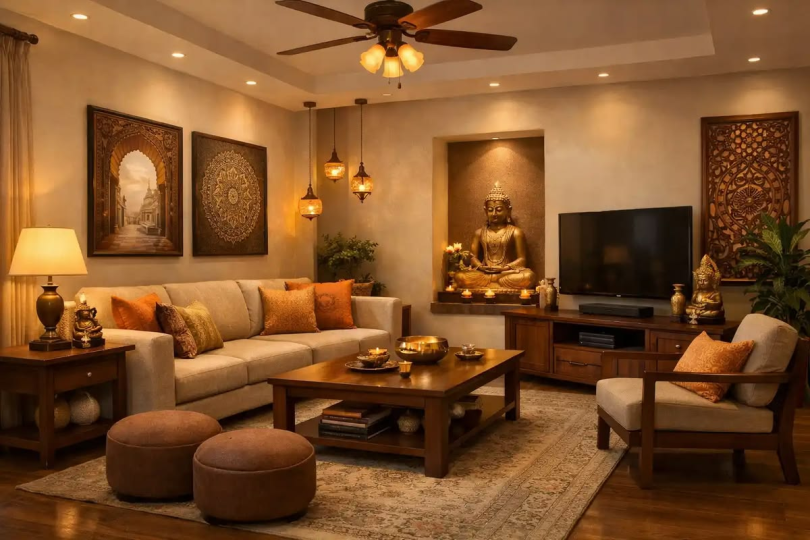
Unlike large homes, small homes require careful planning. Every item must serve a purpose, and every corner should be used wisely. Indian interior design also includes cultural preferences such as prayer areas, family seating arrangements, warm colors, and traditional decorative elements.
For example, many Indian homes combine modern furniture with traditional décor like wooden carvings, ethnic cushions, brass décor, or handcrafted wall art. However, these items must be used thoughtfully in smaller homes to avoid clutter.
The main goal is to create a beautiful home that feels open, practical, and comfortable without wasting valuable space.
Why is Indian Home Interior Design for Small Spaces Important?
Small homes can easily feel cramped if not designed properly. Therefore, smart planning becomes essential.
Here are some reasons why it matters:
- Better Space Utilization
Proper design helps homeowners use every inch efficiently. - Improved Comfort
A well-planned layout makes movement easier and daily living more comfortable. - Enhanced Appearance
Smart décor choices make homes look elegant and inviting. - Increased Functionality
Multi-purpose furniture improves usability in compact areas. - Reduced Clutter
Storage solutions help maintain cleanliness and organization. - Budget-Friendly Living
Thoughtful planning prevents unnecessary spending on oversized furniture or excessive decorations.
In modern Indian cities, maximizing available space has become necessary rather than optional.
Detailed Step-by-Step Guide
Step 1: Understand Your Space Requirements
Before decorating, identify your daily needs.
Ask yourself:
- How many people live in the house?
- Do you need a workspace?
- Is extra storage necessary?
- Which areas feel overcrowded?
Understanding these requirements prevents poor design decisions.
For example, a family with children may prioritize storage, while working professionals may prefer compact office corners.
Step 2: Choose Space-Saving Furniture
Furniture selection plays a huge role in Indian home interior design for small spaces.
Choose furniture that offers multiple purposes.
Examples include:
- Sofa beds
- Storage ottomans
- Foldable dining tables
- Wall-mounted desks
- Beds with storage drawers
These options help save floor space while increasing functionality.
Avoid oversized sofas or bulky wooden furniture because they make rooms appear smaller.
Step 3: Use Light Colors
Colors strongly affect how spacious a room feels.
Light shades create an airy atmosphere.
Popular choices include:
- White
- Cream
- Beige
- Soft grey
- Pastel blue
- Light peach
Indian homeowners often prefer vibrant colors. However, bold colors should be used only as accents rather than wall colors.
For instance, cream walls paired with colorful cushions can create a balanced look.
Step 4: Improve Natural Lighting
Natural light can completely transform small rooms.
Homes with enough sunlight automatically feel bigger and brighter.
Ways to improve lighting include:
- Using sheer curtains
- Keeping windows clear
- Adding mirrors near windows
- Avoiding heavy dark drapes
Artificial lighting also matters.
Wall lights and ceiling-mounted fixtures save valuable floor space.
Step 5: Add Smart Storage Solutions
Storage is often the biggest challenge in compact homes.
Fortunately, hidden storage solutions can solve many problems.
Useful ideas include:
- Under-bed storage
- Wall-mounted shelves
- Vertical cabinets
- Corner shelves
- Hanging organizers
Instead of filling rooms with extra cabinets, use vertical storage whenever possible.
Step 6: Create Multi-Purpose Areas
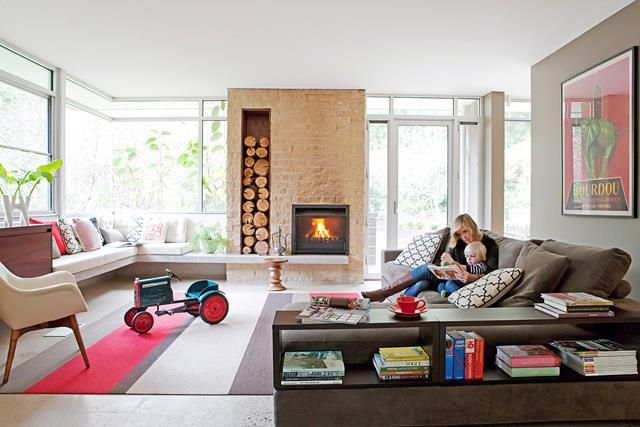
Small homes benefit from flexible spaces.
For example:
- Dining areas can double as workstations.
- Guest rooms can become study rooms.
- Living rooms can include storage benches.
This strategy improves usability without overcrowding the house.
Step 7: Use Mirrors Strategically
Mirrors create the illusion of larger rooms.
A large mirror opposite a window reflects light and makes the room appear spacious.
Many designers recommend mirrored wardrobes for compact bedrooms.
This simple trick works especially well in apartments.
Step 8: Avoid Excessive Decoration
Too many decorative items make rooms feel messy.
Instead, choose meaningful décor.
Good options include:
- Minimal wall art
- Indoor plants
- Traditional Indian cushions
- Compact decorative lamps
Less decoration often creates a cleaner and more elegant appearance.
Step 9: Keep Floors Visible
Furniture covering too much floor area makes rooms appear smaller.
Choose furniture with legs to create visible floor space.
Wall-mounted furniture also works effectively.
The more visible floor you have, the bigger the room appears.
Step 10: Maintain Organization
Even the best-designed small house can feel cramped if disorganized.
Regular decluttering is important.
Follow a simple rule:
If something is unused for months, consider donating or removing it.
Organization improves both comfort and appearance.
Benefits of Indian Home Interior Design for Small Spaces
- Makes small homes feel bigger
- Improves daily comfort and convenience
- Reduces unnecessary clutter
- Saves money through practical planning
- Enhances visual appeal
- Creates better storage opportunities
- Supports organized living
- Makes homes more functional
- Improves property appeal
- Encourages smart furniture choices
A thoughtfully designed home creates a peaceful and welcoming environment.
Disadvantages / Risks
Although there are many benefits, some challenges also exist.
- Poor furniture choices may waste space
- Overdesigning can make rooms crowded
- Custom furniture can be expensive
- Lack of storage planning causes clutter
- Dark color choices may reduce openness
- Excessive decoration creates visual mess
These risks can usually be avoided through proper planning.
Common Mistakes to Avoid
Many homeowners unknowingly make design mistakes that reduce comfort.
Choosing Oversized Furniture
Large furniture dominates compact rooms.
Always measure the available space before purchasing.
Ignoring Vertical Space
Walls often remain unused.
Shelves and wall cabinets improve storage significantly.
Using Too Many Colors
Too many shades create visual confusion.
Instead, maintain a consistent color palette.
Blocking Natural Light
Heavy curtains reduce brightness.
Bright rooms feel larger and more welcoming.
Overcrowding Rooms
Leaving enough empty space is equally important.
A crowded room feels stressful and uncomfortable.
Forgetting Functionality
Beautiful furniture is useless if impractical.
Always prioritize comfort and usability.
FAQs
1. What is the best color for small Indian homes?
Light colors such as white, beige, cream, and pastel shades work best because they reflect light and make rooms feel larger.
2. How can I make my small Indian apartment look bigger?
You can use mirrors, light paint colors, compact furniture, and better lighting. Keeping rooms organized also improves spaciousness.
3. Is modular furniture suitable for small homes?
Yes, modular furniture is highly practical for compact spaces because it saves space and offers flexibility.
4. What type of storage works best in small houses?
Hidden storage, vertical cabinets, under-bed compartments, and wall-mounted shelves are excellent options.
5. Can traditional Indian décor work in small spaces?
Yes, but moderation is important. Use a few decorative pieces rather than overcrowding the room.
6. Are plants suitable for compact interiors?
Small indoor plants improve freshness and appearance without taking much space.
7. Should small homes avoid dark colors completely?
Not necessarily. Dark shades can be used in small amounts for accents, but lighter shades should dominate.
Expert Tips & Bonus Points
Professionals often recommend these practical ideas:
- Invest in foldable furniture.
- Use sliding doors instead of traditional doors.
- Add mirrors to reflect light.
- Choose furniture with hidden storage.
- Keep decorations minimal.
- Use vertical shelves for better organization.
- Select one interior style and stay consistent.
- Prioritize comfort over trends.
Additionally, adding local Indian touches such as handcrafted décor or traditional fabrics can create warmth without overcrowding your space.
Another useful tip is maintaining balance. Modern interiors combined with subtle traditional elements often create the most appealing result.
Most importantly, remember that a smaller home can still feel luxurious when designed thoughtfully.
Conclusion
Creating a stylish and practical compact home may seem challenging at first, but it becomes much easier with proper planning. Indian home interior design for small spaces focuses on maximizing comfort, improving functionality, and making homes feel more spacious without compromising beauty.
Simple decisions such as choosing lighter colors, using multi-purpose furniture, improving storage, and avoiding clutter can dramatically improve small interiors. Even limited spaces can feel welcoming and elegant when every element serves a purpose.
Additionally, combining traditional Indian design elements with modern functionality creates a balanced and timeless look. Instead of overcrowding rooms with unnecessary furniture or decorations, homeowners should focus on quality, organization, and smart space planning.
Whether you live in a city apartment or a compact family house, thoughtful interior design can transform your home into a comfortable retreat. By following practical strategies and avoiding common mistakes, anyone can create a stylish and functional living space.
Ultimately, small homes have unique advantages. They are easier to maintain, more affordable to decorate, and capable of feeling incredibly cozy when designed correctly. With the right approach, even the smallest home can become beautiful, efficient, and full of personality.