
Choosing a colour for the living room feels risky because it is the room everyone sees, the room guests judge, and the room your family actually lives in. The best living room colour ideas for Indian homes balance three things at once: our strong natural sunlight, our love of rich textiles and festivals, and the practical reality of dust, kids, and frequent entertaining. Get the balance right and the whole home feels brighter, calmer, and more expensive than it is.
Start With the Light You Actually Have
Before falling for a shade on a screen, study your room at three times of day. North-facing rooms get softer, cooler light and can handle cooler colours like sage or powder blue. South and west-facing rooms in India receive warm, intense sun that can make whites look yellow and turn gentle pastels harsh by afternoon. Paint large swatches on two different walls and live with them for two days. Colours that survive both morning glare and evening tube light are the ones worth buying.
Remember that Indian living rooms rarely have one colour story. Your sofa fabric, curtains, rugs, and wooden furniture all bring their own tones. Choose your wall colour to support them, not fight them. If your furniture is dark teak or rosewood, lighter walls will let it glow instead of disappearing into shadow.
Warm Neutrals: The Reliable Foundation
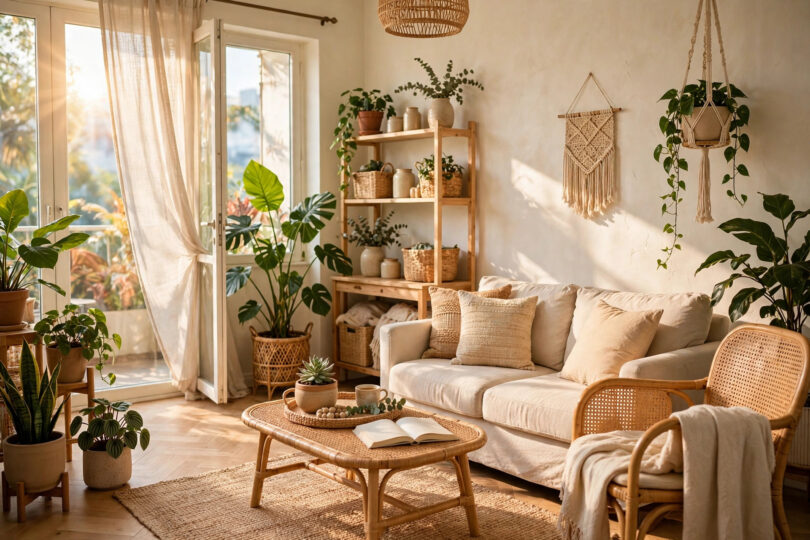
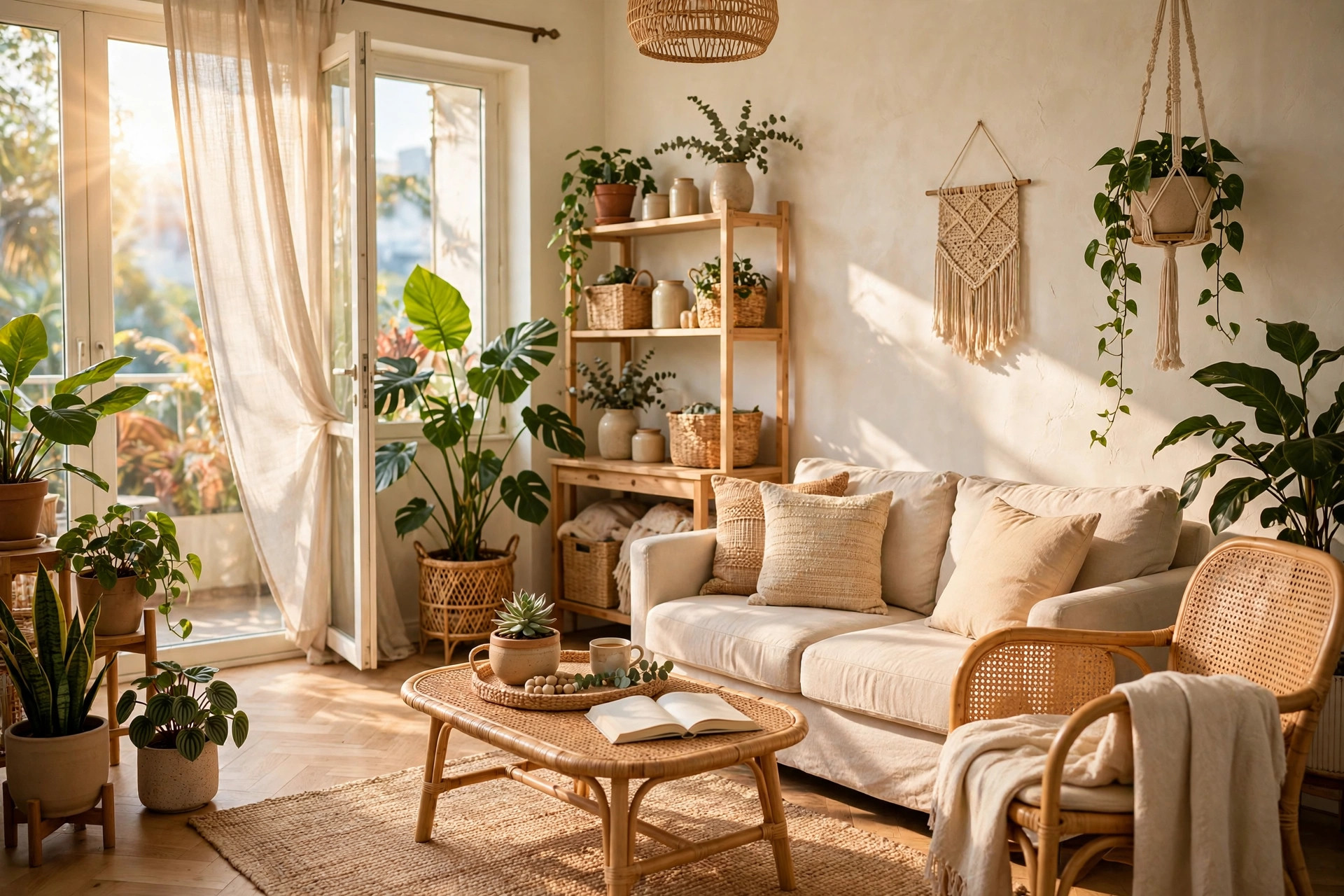
Warm whites, soft beige, greige, and pale terracotta tints remain the most forgiving living room colour ideas for busy homes. They bounce light around, hide minor dust better than stark white, and pair beautifully with brass lamps, indoor plants, and colourful cushions you can change with the seasons. A warm neutral base also means your Diwali decor and wedding gifts in bright reds and golds will look festive rather than clashing.
The trick is undertone. Warm neutrals have a hint of yellow, peach, or brown. Test yours against a sheet of pure white paper; if the swatch looks pink or grey in comparison, the undertone will show up on your walls too. This first impression matters from the moment guests walk in, much like the welcome you create with these entryway decor ideas for Indian homes.
One Accent Wall, Done Properly
If neutrals everywhere feel too safe, give one wall a confident colour and keep the rest quiet. Deep peacock green, indigo, maroon, and mustard are made for Indian light and textiles. Choose the wall behind the sofa or the TV unit, the wall the room naturally faces, and paint it two shades deeper than you think you need; large areas look lighter than small swatches suggest.
Echo the accent colour twice more in the room, in cushion covers, a throw, or artwork, at roughly a third of the strength. This repetition is what makes an accent wall look designed rather than random. Avoid accent walls behind windows, where contrast with bright daylight makes the colour nearly impossible to judge.
Two-Tone Walls and Paint Effects
Two-tone walls are among the most practical living room colour ideas for families with children and pets. A washable, slightly deeper colour on the lower half hides scuffs, handprints, and dust lines, while a lighter shade above keeps the room airy. A crisp horizontal line at chair-rail height works in modern flats; in traditional homes, a painted border inspired by rangoli or textile patterns adds character without wallpaper costs.
Textured finishes, lime wash looks, and subtle stencils have also become affordable through local painters. Keep textures to one wall and colours within the same family, and the effect reads as craftsmanship rather than chaos. If your living room doubles as a workspace, borrow layout thinking from these home office decor ideas for Indian homes and let colour, not furniture, mark the work zone.
Colours to Use With Care
Very dark colours on all four walls can make even large Indian living rooms feel cave-like by evening, when most family time happens. Pure bright white looks stunning in photos but shows dust and cooking film quickly in open-plan homes. Neon and high-gloss shades amplify every wall imperfection. None of these are forbidden, but each demands either excellent light, rigorous cleaning, or flawless walls, so go in with your eyes open.
Let Colour Travel Through Textiles Too
Walls are only half the colour story. Curtains, rugs, upholstery, and cushions carry colour deeper into the room and are far cheaper to change when you tire of a shade. A useful approach is the “river” method: pick your wall colour as the calm banks, then let one strong colour flow through the room in textiles, appearing in the rug, repeating in cushions, and finishing in a lampshade or artwork. Your eye follows it around the space, and the room feels intentionally composed.
Seasonal swaps keep this fresh without repainting. Light cottons and bright prints for summer, deeper velvets and woven throws for winter and the festival season: the walls stay constant while the room’s mood rotates. This is also the safest way to experiment with bold living room colour ideas you are not ready to commit to in paint. If a maroon cushion delights you for a year, maroon may have earned a wall.
One more practical note: buy the best paint finish, not just the best colour. Living rooms near open kitchens collect a film of cooking vapour, and hallways collect fingerprints at exactly child height. A washable, low-sheen finish in a mid-range brand will look better after two years than a premium colour in a fragile matte finish. Keep the leftover paint, labelled with the room and date, and touch-ups become a ten-minute job instead of a colour-matching expedition every time life scuffs a wall.
Conclusion
The most successful living room colour ideas start with your sunlight, respect your furniture, and leave room for the colour your family brings through textiles, plants, and festivals. Choose a warm neutral foundation, add one confident accent if you crave drama, and always test big swatches before committing. Paint is the cheapest transformation in the home, and in the living room, it is the one your whole life happens against, so it is worth choosing slowly and well.