
Introduction
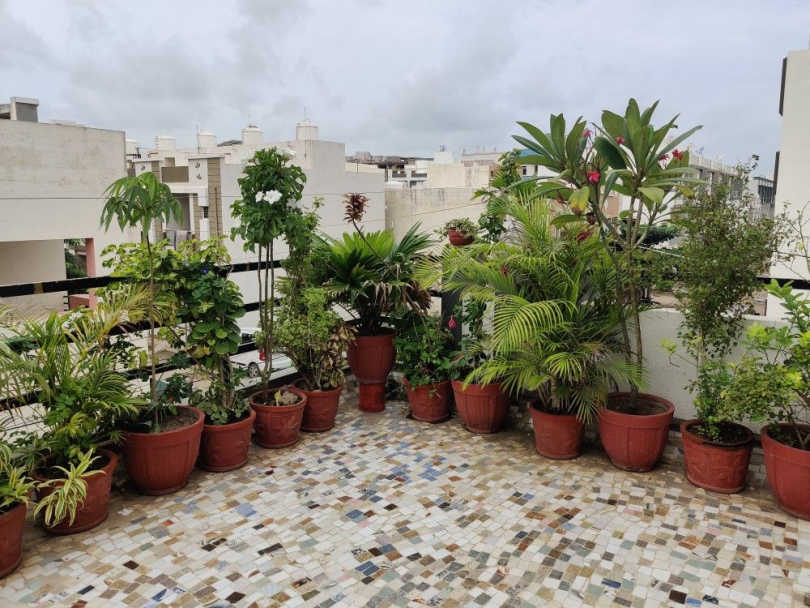
Terrace gardening has become increasingly popular across India as more homeowners look for creative ways to utilize unused rooftop spaces. With rising urbanization and limited ground space, a terrace garden offers a practical solution for growing plants, vegetables, herbs, and flowers while enhancing the beauty of your home. Whether you live in a bustling city apartment or an independent house, a well-designed terrace garden can transform a plain rooftop into a refreshing green retreat.
The beauty of terrace garden ideas for Indian homes lies in their flexibility. You can create a small herb garden, a decorative flower garden, a vegetable patch, or even a relaxing outdoor seating area surrounded by greenery. Besides improving the visual appeal of your property, terrace gardens contribute to a healthier environment by reducing heat absorption and improving air quality.
Many homeowners assume that terrace gardening requires a large budget or extensive gardening knowledge. However, with proper planning and simple gardening techniques, anyone can create a beautiful and productive rooftop garden. From selecting suitable plants to choosing containers and irrigation systems, every element plays a role in building a successful terrace garden.
This guide explores practical terrace garden ideas for Indian homes, helping beginners and intermediate gardeners create an attractive and functional rooftop space.
What is a Terrace Garden?
A terrace garden is a garden created on the rooftop or terrace of a building. Instead of using traditional ground space, plants are grown in containers, raised beds, grow bags, or specially designed structures placed on the terrace surface.
Terrace gardens can range from simple arrangements of potted plants to elaborate green spaces featuring flowers, vegetables, fruit plants, vertical gardens, and seating areas. In India, terrace gardens have become a preferred choice for urban residents who want to enjoy gardening despite limited land availability.
The concept combines functionality with aesthetics, making rooftops more useful while promoting sustainable living practices.
Why is Terrace Gardening Important?
Terrace gardening provides several environmental, economic, and lifestyle benefits.
Better Air Quality
Plants absorb pollutants and release oxygen, creating a cleaner and healthier environment around your home.
Reduced Heat Absorption
Green rooftops help lower indoor temperatures by reducing heat absorption from direct sunlight.
Fresh Organic Produce
Growing vegetables and herbs on your terrace gives you access to fresh and chemical-free produce.
Improved Aesthetic Appeal
A beautiful terrace garden enhances the appearance of your home and creates a relaxing atmosphere.
Efficient Space Utilization
Unused rooftops can be transformed into productive and attractive green spaces.
Stress Relief
Gardening is a rewarding hobby that helps reduce stress and improves mental well-being.
Detailed Step-by-Step Guide to Creating a Terrace Garden
Step 1: Assess the Terrace Structure
Before starting your garden, ensure that your terrace can support the additional weight of containers, soil, water, and plants. Consult a structural expert if necessary.
Check for:
- Load-bearing capacity
- Waterproofing quality
- Drainage facilities
- Sunlight exposure
Proper assessment prevents future structural issues and protects your investment.
Step 2: Waterproof the Terrace
Waterproofing is one of the most important aspects of terrace gardening.
Apply high-quality waterproofing materials to prevent water leakage and seepage. A waterproof terrace protects both the building structure and the garden setup.
Regular inspections help identify potential problems before they become serious.
Step 3: Plan the Garden Layout
Create a layout based on available space and gardening goals.
Consider including:
- Vegetable growing area
- Flower section
- Herb garden
- Vertical garden wall
- Seating corner
A well-planned layout improves accessibility and maximizes space utilization.
Step 4: Choose Suitable Containers
Container selection significantly affects plant growth.
Popular options include:
- Plastic pots
- Ceramic pots
- Cement planters
- Grow bags
- Wooden containers
- Recycled containers
Grow bags are especially popular for terrace garden ideas for Indian homes because they are affordable, lightweight, and easy to manage.
Step 5: Select the Right Soil Mix
Healthy soil is the foundation of a successful terrace garden.
An ideal soil mix may include:
- Garden soil
- Compost
- Cocopeat
- Vermicompost
This combination improves drainage, moisture retention, and nutrient availability.
Step 6: Install an Irrigation System
Proper watering ensures healthy plant growth.
Options include:
- Manual watering
- Drip irrigation
- Sprinkler systems
- Self-watering containers
Drip irrigation is highly efficient because it reduces water wastage and delivers moisture directly to plant roots.
Step 7: Choose Plants According to Climate
India’s climate varies significantly across regions, so plant selection should match local conditions.
Suitable options include:
Vegetables
- Tomatoes
- Brinjal
- Okra
- Spinach
- Chili peppers
- Coriander
Herbs
- Mint
- Basil
- Curry leaves
- Lemongrass
- Parsley
Flowers
- Marigold
- Rose
- Petunia
- Hibiscus
- Jasmine
Fruit Plants
- Lemon
- Guava
- Pomegranate
- Papaya
Selecting climate-appropriate plants increases success rates and reduces maintenance requirements.
Step 8: Add Decorative Elements
Enhance visual appeal with decorative features.
Ideas include:
- Wooden decking
- Garden lights
- Stone pathways
- Water features
- Outdoor furniture
- Hanging planters
These additions make the terrace more inviting and comfortable.
Creative Terrace Garden Ideas for Indian Homes
Vertical Garden Design
Vertical gardens save space while creating a stunning green wall. They are ideal for compact terraces and urban homes.
Vegetable Garden Setup
Dedicate a section of your terrace to growing vegetables. This provides fresh produce and reduces grocery expenses.
Herb Garden Corner
Create a small herb garden near your kitchen access point for convenience and daily use.
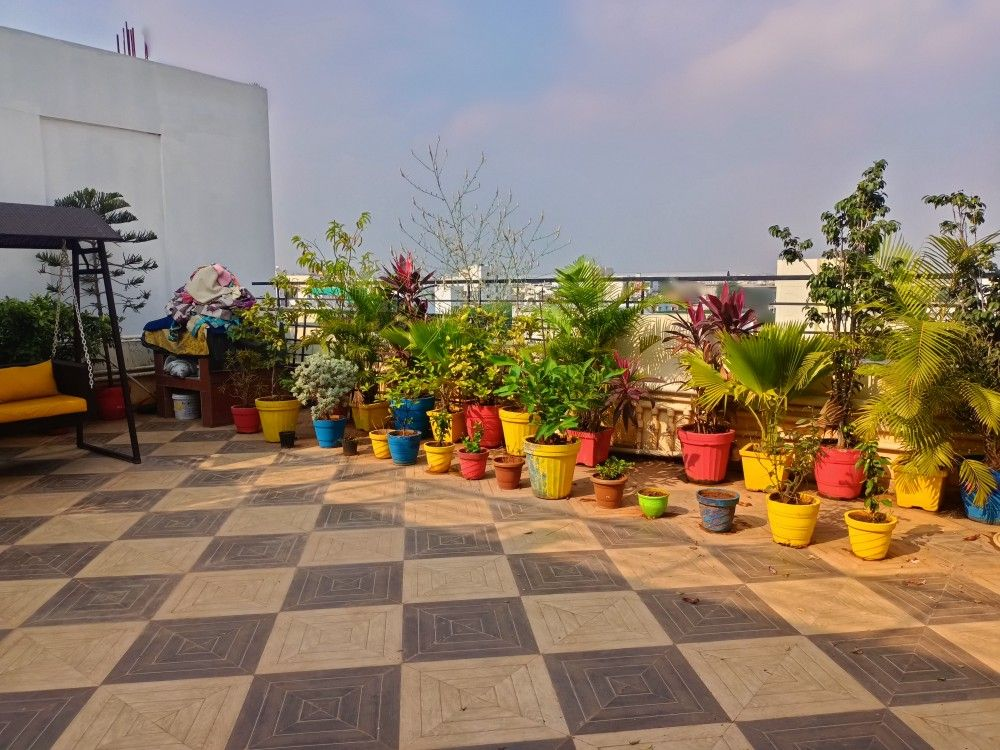
Flower-Focused Garden
Use colorful flowering plants to create a vibrant rooftop environment.
Zen Garden Concept
Incorporate pebbles, bamboo plants, and minimalist décor for a peaceful retreat.
Family Relaxation Space
Combine greenery with comfortable seating to create an outdoor family gathering area.
Benefits of Terrace Garden Ideas for Indian Homes
- Improves air quality
- Reduces indoor temperatures
- Enhances property value
- Provides fresh vegetables and herbs
- Creates a relaxing environment
- Supports sustainable living
- Utilizes unused rooftop space
- Encourages physical activity
- Promotes biodiversity
- Reduces urban heat effects
Disadvantages and Risks
- Initial setup costs
- Regular maintenance requirements
- Potential waterproofing issues
- Weight concerns on weak structures
- Pest management challenges
- Seasonal plant losses
- Water management responsibilities
- Exposure to strong winds on rooftops
Common Mistakes to Avoid
Many beginners make avoidable errors when starting a terrace garden.
Common mistakes include:
- Ignoring waterproofing requirements
- Overcrowding plants
- Choosing unsuitable containers
- Using poor-quality soil
- Overwatering plants
- Neglecting drainage systems
- Selecting plants unsuitable for local climates
- Failing to provide adequate sunlight
- Ignoring pest control measures
- Skipping regular maintenance
Avoiding these mistakes helps create a healthier and more productive garden.
FAQs
1. Is terrace gardening suitable for beginners?
Yes. Terrace gardening is beginner-friendly and can be started with a few simple containers and easy-to-grow plants.
2. Which vegetables grow best on Indian terraces?
Tomatoes, spinach, coriander, chilies, brinjal, and okra are among the easiest vegetables to grow.
3. How much sunlight is required?
Most vegetables and flowering plants need six to eight hours of direct sunlight daily.
4. Are grow bags better than pots?
Grow bags are lightweight, affordable, and provide excellent drainage, making them a popular choice.
5. Can terrace gardens survive heavy rain?
Yes, provided there is proper drainage and waterproofing.
6. How often should I fertilize plants?
Most plants benefit from organic fertilizer applications every two to four weeks during active growth.
Expert Tips & Bonus Points
Start Small
Begin with a few plants and gradually expand as you gain experience.
Use Organic Compost
Organic compost improves soil fertility and supports healthy plant growth.
Monitor Plant Health
Regular inspection helps identify pests and diseases early.
Rotate Crops
Crop rotation improves soil health and reduces pest problems.
Install Shade Nets
Shade nets protect sensitive plants during extreme summer heat.
Harvest Regularly
Regular harvesting encourages continued growth and improves yields.
Use Companion Planting
Certain plant combinations help deter pests naturally and improve garden productivity.
Keep Learning
Gardening is a continuous learning process. Experiment with new plants and techniques to improve results.
Conclusion
Terrace gardening is one of the most practical and rewarding ways to utilize unused rooftop space in Indian homes. It allows homeowners to create a beautiful green environment while enjoying numerous benefits such as improved air quality, reduced indoor temperatures, and access to fresh organic produce. Whether your goal is to grow vegetables, cultivate flowers, or simply create a peaceful retreat, a terrace garden can transform your lifestyle and enhance the value of your property.
The success of a terrace garden depends on proper planning, suitable plant selection, quality soil, efficient watering, and regular maintenance. By following the steps outlined in this guide, even beginners can create a thriving rooftop garden that remains productive throughout the year.
The growing popularity of terrace garden ideas for Indian homes reflects a broader movement toward sustainable and environmentally responsible living. As urban areas continue to expand, rooftop gardens provide an effective solution for reconnecting with nature without requiring additional land.
With patience, creativity, and consistent care, your terrace can become a vibrant green sanctuary that offers beauty, relaxation, and practical benefits for years to come. Start small, learn continuously, and enjoy the rewarding journey of terrace gardening.