
Introduction
Home improvement does not always require expensive tools or professional help. In fact, many homeowners are now choosing simple DIY home projects for beginners to improve their living spaces without spending a fortune. Whether you want to decorate your room, organize your kitchen, or add a personal touch to your home, beginner-friendly DIY projects can make a big difference.
The best thing about simple DIY home projects for beginners is that they are practical, affordable, and enjoyable. Even if you have never used a drill or paintbrush before, you can still complete many projects with confidence. Moreover, DIY activities allow you to learn useful skills while making your home more functional and attractive.
For beginners, starting small is always the smartest approach. Instead of trying large renovations, focus on projects that require minimal tools and easy instructions. For example, wall painting, shelf installation, or furniture upgrades are excellent starting points.
This guide will help you understand everything about simple DIY home projects for beginners. From learning basic concepts to following step-by-step instructions, you will find useful ideas that can transform your home into a better place. By the end of this article, you will feel more prepared and inspired to begin your DIY journey with confidence.
What Is Simple DIY Home Projects for Beginners?
Simple DIY home projects for beginners refer to easy home improvement activities that people can complete without professional experience. DIY stands for “Do It Yourself,” meaning you handle the project independently instead of hiring experts.
These projects usually involve affordable materials, simple instructions, and minimal technical skills. They are designed to help people improve their homes in easy and creative ways.
Examples of beginner-friendly DIY projects include:
- Painting walls
- Creating wall decorations
- Installing floating shelves
- Organizing storage spaces
- Building simple furniture
- Decorating rooms with handmade items
The main purpose of simple DIY home projects for beginners is to encourage creativity while improving home functionality. They also help homeowners save money and develop practical problem-solving skills.
For example, instead of buying an expensive bookshelf, a beginner can build one using wooden planks and simple tools. Similarly, repainting old furniture can give it a completely fresh appearance without spending much money.
Why Is Simple DIY Home Projects for Beginners Important?
Many people overlook the importance of DIY home improvement. However, simple DIY home projects for beginners offer several practical and personal benefits.
First, DIY projects help save money. Professional home services can be expensive, especially for small improvements. Handling projects independently allows homeowners to reduce labor costs.
Second, DIY projects help improve creativity. When beginners decorate spaces or create handmade designs, they explore new ideas and learn creative thinking.
Another important reason is confidence building. Completing a project successfully gives beginners a sense of achievement and motivation.
DIY work also helps improve home organization. Small improvements such as storage solutions or furniture arrangement can make living spaces more comfortable.
Additionally, these projects teach useful life skills. Learning how to fix simple issues, paint walls, or assemble furniture can become valuable knowledge for the future.
Finally, simple DIY home projects for beginners create a stronger emotional connection with the home. Handmade improvements often feel more personal and meaningful than store-bought items.
Detailed Step-by-Step Guide
Step 1: Choose a Beginner-Friendly Project
Start with something easy. Avoid complicated renovations in the beginning.
Good beginner project ideas include:
- Painting a room
- Creating a photo wall
- Installing hooks
- Organizing storage
- Decorating flower pots
Choose a project based on your budget, available tools, and comfort level.
Step 2: Gather Necessary Tools
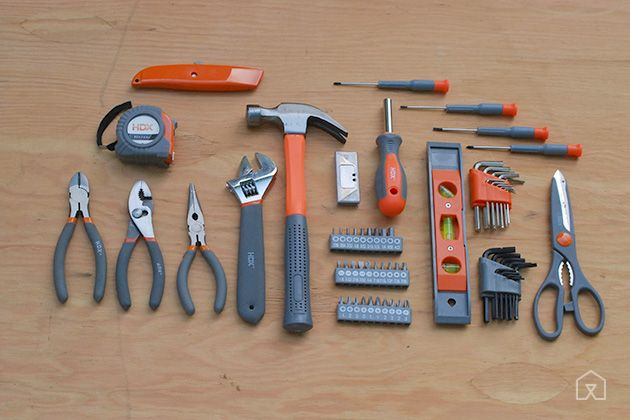
Having the right tools is important for success.
Basic DIY tools include:
- Hammer
- Screwdriver
- Measuring tape
- Paintbrush
- Nails
- Glue gun
- Safety gloves
- Drill machine
You do not need expensive equipment initially. Start with basic tools and gradually expand your collection.
Step 3: Plan Your Project
Before starting, make a simple plan.
Ask yourself:
- What materials are required?
- How much time will it take?
- What budget do I have?
- Do I need help?
Planning helps avoid mistakes and saves money.
For example, if you are painting a room, calculate the amount of paint required beforehand.
Step 4: Follow Safety Measures
Safety should always come first.
Important safety tips include:
- Wear gloves when handling sharp tools
- Keep children away from equipment
- Use protective glasses if drilling
- Work in a ventilated space while painting
Simple precautions reduce risks significantly.
Step 5: Start With Small Tasks
Beginners often become overwhelmed by large projects.
Instead, divide work into smaller tasks. For example:
If you are organizing a room:
- Remove unnecessary items
- Clean surfaces
- Arrange storage boxes
- Add decorations
This approach makes projects easier and more manageable.
Step 6: Learn Through Practice
Mistakes are normal in DIY work.
Do not worry if something looks imperfect initially. Skills improve over time through experience.
Many successful DIY enthusiasts started with very basic projects before mastering advanced techniques.
Step 7: Add Personal Creativity
One of the best parts of simple DIY home projects for beginners is customization.
You can:
- Choose your favorite colors
- Create handmade decorations
- Design furniture according to preferences
- Add unique personal touches
This makes your home feel more welcoming and original.
Benefits of Simple DIY Home Projects for Beginners
There are many reasons why people enjoy DIY home improvement.
Financial Benefits
- Saves money on labor costs
- Reduces furniture expenses
- Helps reuse old materials
Personal Benefits
- Builds confidence
- Encourages creativity
- Improves problem-solving abilities
Home Improvement Benefits
- Makes spaces more organized
- Enhances interior appearance
- Increases functionality
Learning Benefits
- Develops practical skills
- Teaches patience
- Improves planning abilities
For example, creating storage shelves may improve organization while teaching measurement skills at the same time.
Disadvantages and Risks
Although DIY projects are useful, there are some risks to consider.
Time Consumption
- Some projects take longer than expected
- Beginners may work slowly
Mistakes Can Be Costly
- Incorrect measurements can waste materials
- Poor planning may increase expenses
Safety Concerns
- Improper tool use may cause injuries
- Heavy lifting can be dangerous
Quality Limitations
- Professional work may sometimes look more polished
- Beginners may struggle with perfection
However, these disadvantages become smaller with experience and preparation.
Common Mistakes to Avoid
Many beginners make avoidable mistakes during DIY work.
Starting With Difficult Projects
Trying advanced renovations too early often causes frustration.
Start small and build confidence gradually.
Ignoring Measurements
Incorrect measurements can ruin an entire project.
Always measure twice before cutting materials.
Buying Cheap Materials
Poor-quality supplies may not last long.
Invest in reliable materials whenever possible.
Skipping Safety Steps
Ignoring safety can result in accidents.
Always wear protective equipment.
Rushing the Process
Patience is important.
Take your time and focus on quality instead of speed.
Forgetting a Budget
Unexpected spending can become stressful.
Plan costs before beginning any project.
FAQs
1. What are the easiest DIY home projects for beginners?
Some easy projects include wall painting, room decoration, shelf installation, storage organization, and furniture painting. These require minimal skills and simple tools.
2. Do I need expensive tools for DIY projects?
No, beginners only need basic tools. A screwdriver, hammer, measuring tape, and glue gun are enough for many simple DIY home projects for beginners.
3. How can beginners avoid mistakes?
Start with easy tasks, follow instructions carefully, measure accurately, and never rush. Learning gradually helps reduce errors.
4. Are DIY projects expensive?
Most beginner projects are affordable. Many people reuse existing materials or purchase low-cost supplies to save money.
5. How long does a beginner DIY project take?
Simple projects may take one to three hours, while slightly larger projects can require a full weekend.
6. Is DIY home improvement safe?
Yes, DIY work is safe if proper precautions are followed. Wearing protective gear and handling tools responsibly reduces risks.
7. Can DIY projects increase home value?
Yes, organized spaces, fresh paint, and attractive decorations can improve a home’s overall appearance and value.
Expert Tips and Bonus Points
Experts recommend keeping things simple in the beginning.
Helpful tips include:
- Start with one-room improvements
- Watch tutorials for guidance
- Reuse old materials creatively
- Buy multi-purpose tools
- Create a project checklist
- Set realistic expectations
Another useful tip is keeping a DIY notebook. Write down successful methods, measurements, and lessons learned for future projects.
You should also avoid comparing your work with professionals. Remember that learning takes time.
Try seasonal projects for extra fun. For example, decorate your home differently during holidays or refresh furniture every few months.
Most importantly, enjoy the process. DIY work should feel rewarding rather than stressful.
Conclusion
Simple DIY home projects for beginners are a wonderful way to improve living spaces while learning practical skills. You do not need professional experience or expensive tools to make meaningful changes in your home. With patience, planning, and creativity, even small improvements can create impressive results.
From painting walls to organizing storage and building decorative items, beginner-friendly projects offer endless possibilities. They help save money, improve confidence, and make homes feel more comfortable and personalized. Moreover, these projects encourage creativity and teach valuable life skills that remain useful for years.
Although challenges may arise, starting with small tasks and following proper planning can make the process much easier. Mistakes should not discourage beginners because every project brings experience and learning opportunities.
If you have been thinking about improving your home, now is the perfect time to begin. Choose one easy project, gather your tools, and start small. Over time, you will gain confidence and discover that DIY home improvement is not only practical but also highly rewarding. With the right mindset and effort, anyone can successfully complete simple DIY home projects for beginners and enjoy a better, more beautiful living space.