
Every Indian home has that one piece of furniture: a solid teak chair with a wobbly leg, a dressing table from the 1990s, or a bookshelf that has survived three house moves but looks tired. Throwing it away wastes good wood and good money, while buying new costs far more. DIY furniture upcycling ideas offer a better answer: repaint, reupholster, repair or repurpose old furniture into pieces that look new and feel personal. DIY furniture upcycling ideas are also kinder to the environment, since they keep bulky furniture out of landfills and reduce demand for new timber. With basic tools, a free weekend and a little patience, almost anyone can give old furniture a second life.
Choose the Right Piece to Upcycle
Start with solid, well-built furniture, because upcycling cannot fix a fundamentally weak frame. Solid wood, teak, sheesham and sturdy plywood are ideal; check joints for wobble, drawers for smooth movement, and surfaces for deep water damage or woodworm. A piece with good bones but a dated finish — orange varnish, chipped paint, torn fabric — is perfect. Avoid particle board that has swollen from moisture, since it rarely holds screws or paint well. Begin with a small, low-risk item like a side table or a chair rather than a wardrobe, so you learn sanding, painting and finishing on something forgiving before tackling a large project.
Prepare Properly: The Step Most Beginners Skip
Preparation decides whether your upcycled piece looks professional or peels within months. Clean the furniture thoroughly, remove hardware like handles and hinges, and sand surfaces to remove old varnish and give paint something to grip — start with coarse sandpaper and finish with fine. Fill dents and holes with wood filler, let it dry, and sand smooth again. Tighten or re-glue wobbly joints with wood glue and clamps, and replace missing screws or brackets. Wipe away all dust with a damp cloth before painting, and work in a ventilated, dust-free corner. Skipping preparation is the most common reason DIY paint jobs fail, while an hour of careful prep can make even budget paint look expensive.
Painting and Finishing for a Professional Look
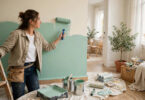
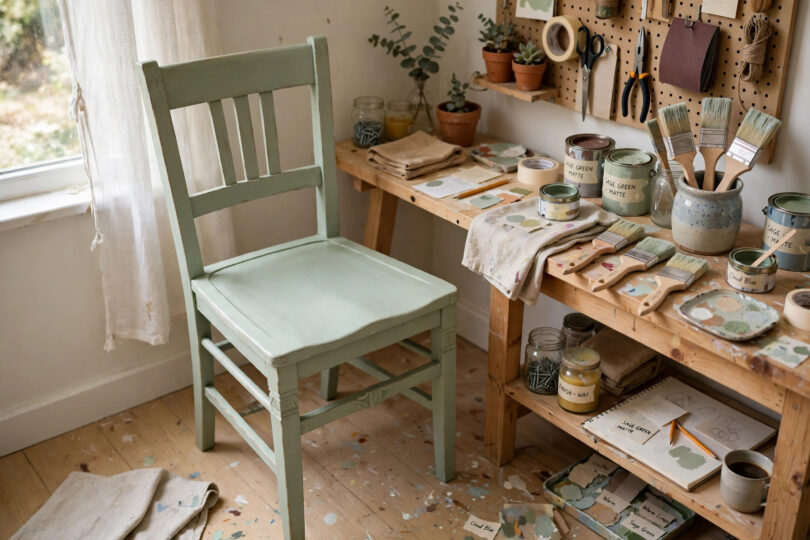
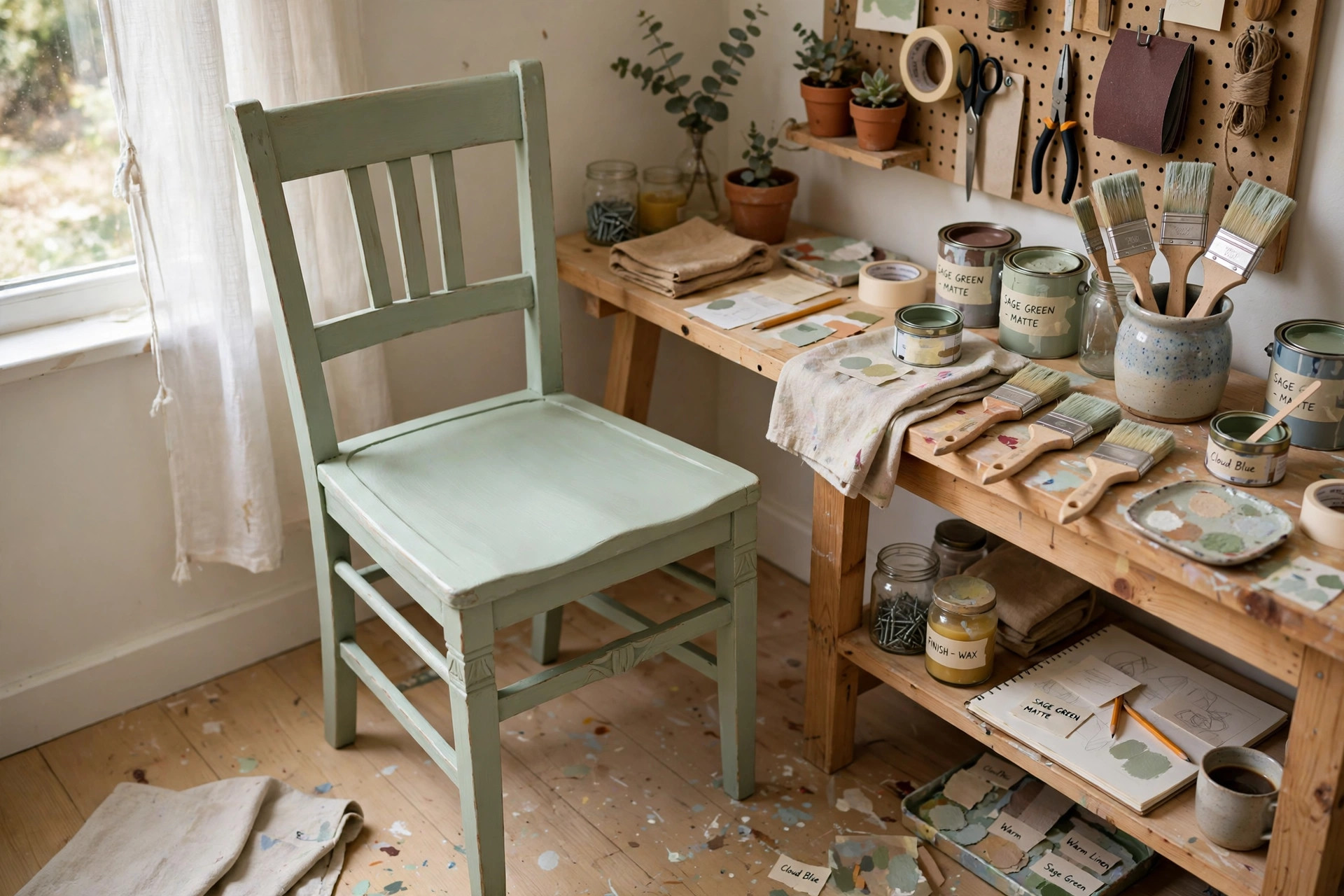
Paint transforms furniture fastest. Chalk paint is forgiving for beginners because it sticks well with minimal priming and gives a soft matte finish, while enamel paint offers a harder, wipeable surface for tables and chairs that take daily use. Apply thin coats with a good brush or a small foam roller, letting each coat dry fully before the next — two thin coats always beat one thick, drippy coat. Distressing edges lightly with sandpaper after painting creates a vintage look, and a clear wax or polyurethane topcoat protects the finish from spills and scratches. For a modern two-tone effect, paint the frame one colour and the drawer fronts another, or add new brass handles to complete the transformation. If you enjoy hands-on home projects, these easy DIY home projects for beginners offer more weekend ideas in the same spirit.
Reupholstery and Fabric Updates
Chairs and sofas with tired fabric can be reborn with new upholstery. For a simple dining chair, unscrew the seat pad, remove old fabric and staples, cut new fabric with a few centimetres of extra margin, and staple it tightly from the centre of each side outwards, folding neat corners. Choose durable, washable fabric in homes with children or pets, and consider stain-resistant finishes for dining chairs. For larger sofas, replacing cushion covers alone — rather than full reupholstery — gives a fresh look at a fraction of the cost, especially when paired with new cushions in contrasting colours. Always photograph the original fabric arrangement before removing it, so you have a reference if the new fitting gets tricky.
Creative Repurposing Ideas
Upcycling is not only about restoring a piece to its original job; repurposing opens far more possibilities. An old door becomes a dining table top or a headboard, a wooden ladder becomes a bookshelf or a towel rack, drawers from a broken chest become wall shelves or under-bed storage, and a vintage suitcase becomes a quirky side table. Old wooden crates stack into modular shelving for a study or a balcony garden. Before discarding any furniture, ask what else it could be: a cot becomes a bench, a sewing table becomes a bathroom vanity, and a headboard becomes a coat rack. Repurposing suits Indian homes especially well, where heirloom pieces carry memories and families prefer to adapt rather than discard. For budget-friendly ways to refresh the rooms around your upcycled pieces, see these low budget home improvement ideas for Indian homes.
Tools, Safety and Costs
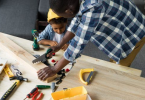
You do not need a workshop to start: sandpaper in several grades, a decent brush set, wood filler, wood glue, a screwdriver set, a staple gun for fabric, and protective gear — a dust mask, safety glasses and gloves — cover most beginner projects. Buy paint in small quantities first, test colours on a hidden area, and work outdoors or near an open window when using strong-smelling products. Most small upcycling projects cost a few hundred to a couple of thousand rupees in materials, compared with many thousands for a new piece of similar quality. Keep offcuts, spare handles and leftover paint labelled for touch-ups, and photograph each stage — progress photos are satisfying and help you repeat what worked on the next project.
Start This Weekend
Pick one piece, gather your materials on Saturday morning, and aim to finish preparation and the first coat by evening. Let it dry overnight, apply the second coat on Sunday, and refit the hardware. By Sunday night you will have a piece of furniture that looks new, cost little, and carries a story no shop-bought item can match. DIY furniture upcycling ideas reward patience and creativity far more than skill, and each finished project makes the next one easier. Your home gains character, your wallet stays healthier, and a solid old piece of furniture gets the second life it deserves.
For more DIY and decor inspiration, visit the Casabloomy homepage.